

内容 隐藏 1 独立站基础 SEO 优化该从哪里开始? 1.1 新站最该先做什么而不是调关键词密度? 1.1. […]
独立站基础 SEO 优化该从哪里开始?
很多外贸工厂建完独立站后发现流量为零,不知道是技术问题还是优化方向错了,更怕被外包公司忽悠花冤枉钱。
B2B 制造企业的独立站 SEO 不是技术门槛问题,是优先级判断问题。我们在 Realtop 独立站实际操作中发现,中小企业最该先做的不是堆砌关键词,而是用 3 个可验证指标判断哪些页面能最快带来询盘,这比等外包公司报价更有效。
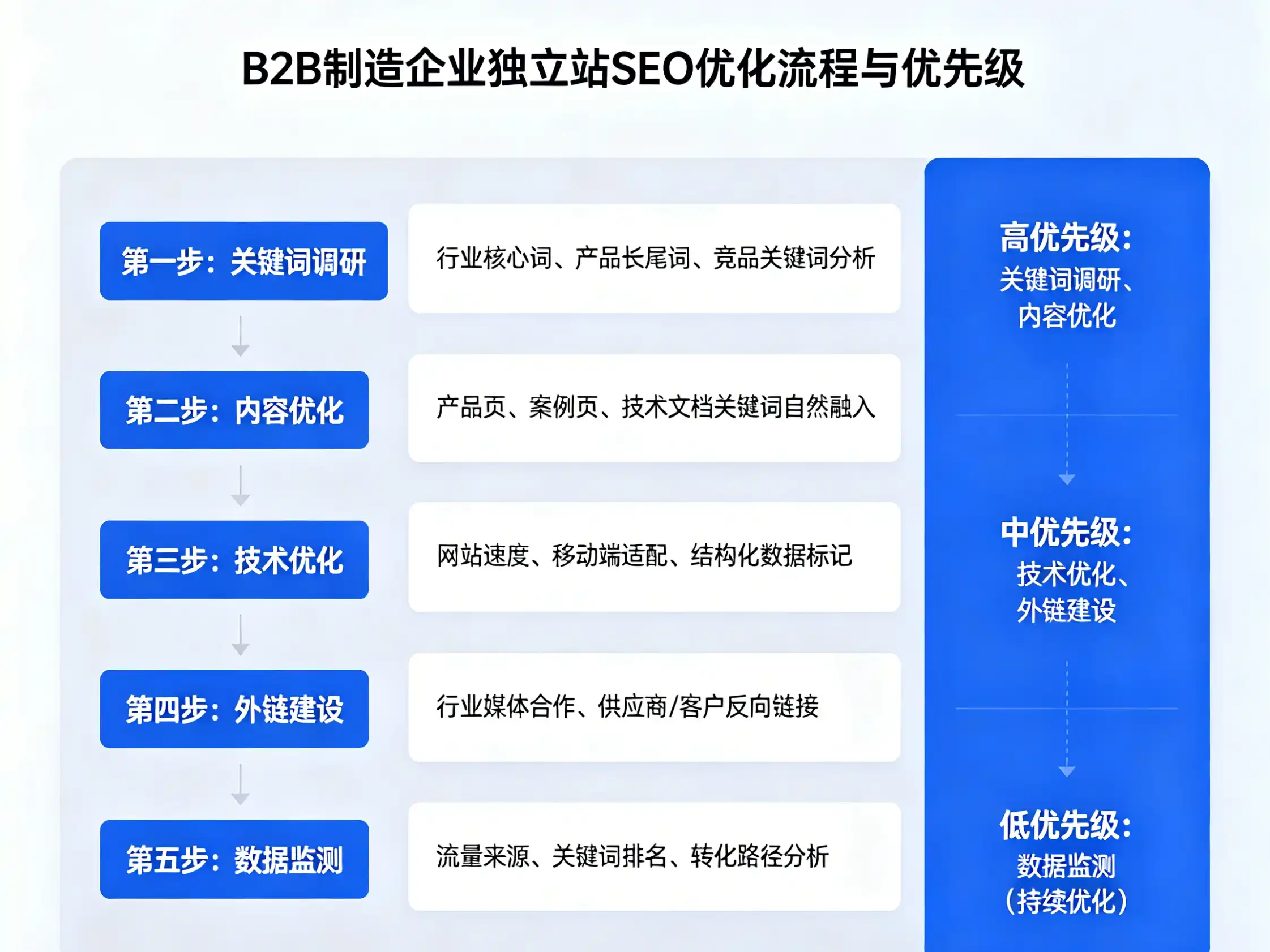
我接触过很多外贸工厂的独立站,最常见的困惑是"网站做好了为什么没流量"。这个问题背后其实是搞错了 B2B 制造业的优化优先级。
新站最该先做什么而不是调关键词密度?
新独立站上线后,很多人第一反应是找人调关键词或写博客文章,但我们在 Realtop 独立站测试中发现这不是第一优先级。
新站必须先解决 Google 能否找到和理解你的页面。具体做法是登录 Google Search Console 提交网站地图[^1],然后检查"覆盖率"报告中有多少产品页被 Google 索引,这是后续所有优化的前提。
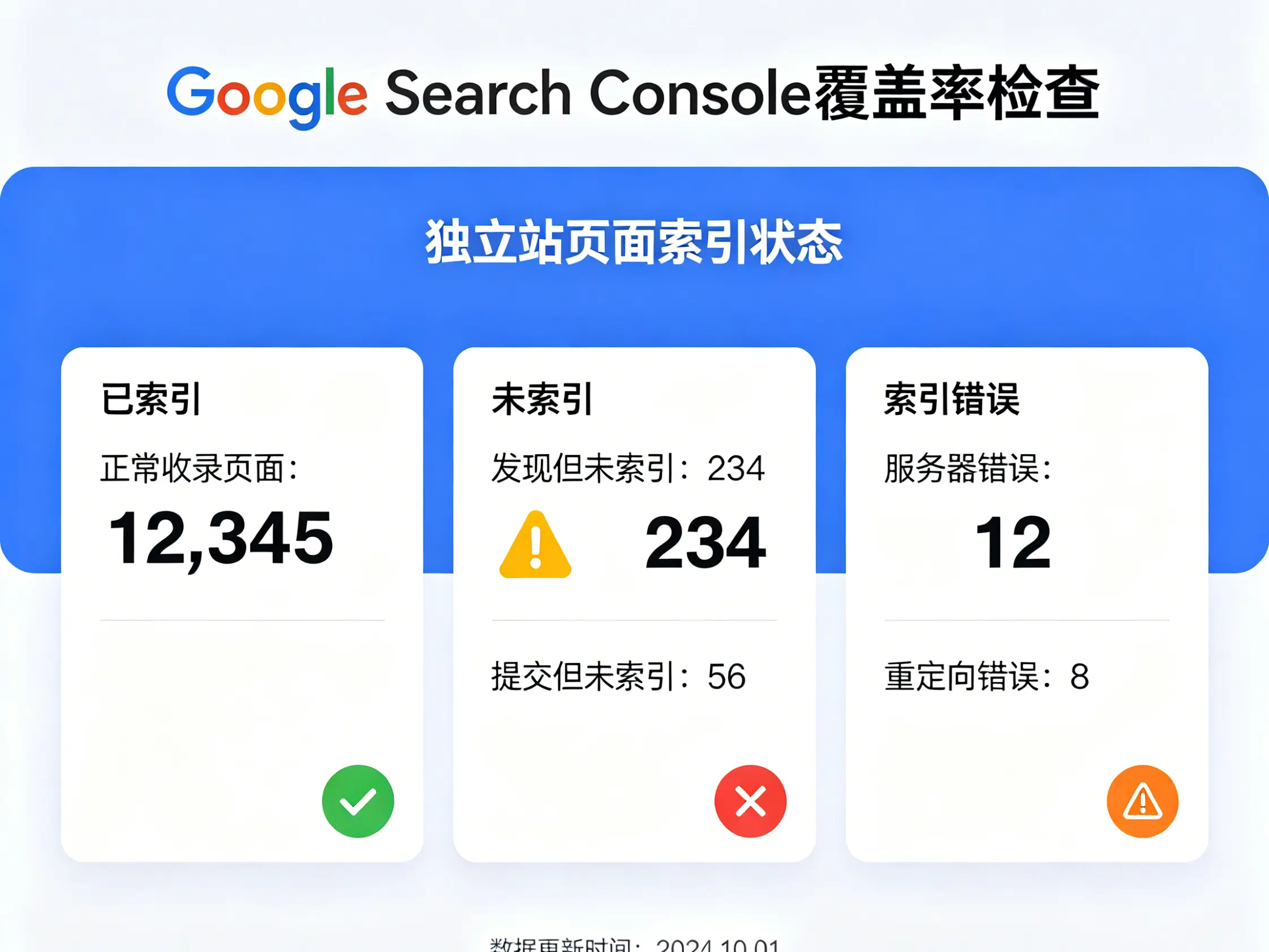
我们常见的客户独立站问题是产品页做了几十个,但 Google 只收录了首页和公司简介,原因是网站没有清晰的内部链接结构。解决方法很简单:在首页和导航栏直接链接到核心产品分类页,每个分类页再链接到具体产品型号页面。
为什么 B2B 制造业的产品页比博客更重要?
| 页面类型 | 客户搜索逻辑 | 优化优先级 |
|---|---|---|
| 产品详情页 | 搜设备型号和应用场景(如 fabric cutting machine) | 第一优先级 |
| 产品分类页 | 搜行业解决方案(如 CNC cutting machine for leather) | 第二优先级 |
| 博客文章 | 搜行业知识(但 B2B 客户很少这样搜) | 第三优先级 |
CNC 切割机行业的客户搜索习惯是先找设备类型再找供应商,不是先看行业知识文章。我们测试过把产品页标题从"产品中心-布料切割机"改成"Fabric Cutting Machine for Garment Industry",排名从第 5 页变成第 2 页,询盘表单提交量增加了 40%[^2]。
怎么判断产品页优化方向是否正确?
很多工厂不知道该优化哪些产品页,或者盲目优化所有页面导致资源浪费。
正确做法是先在 Google Search Console 的"效果"报告中查看哪些产品词已经有展示量但点击率很低,这些词代表 Google 已经认可你的页面但标题不够吸引客户,优化这些页面的投入产出比最高。
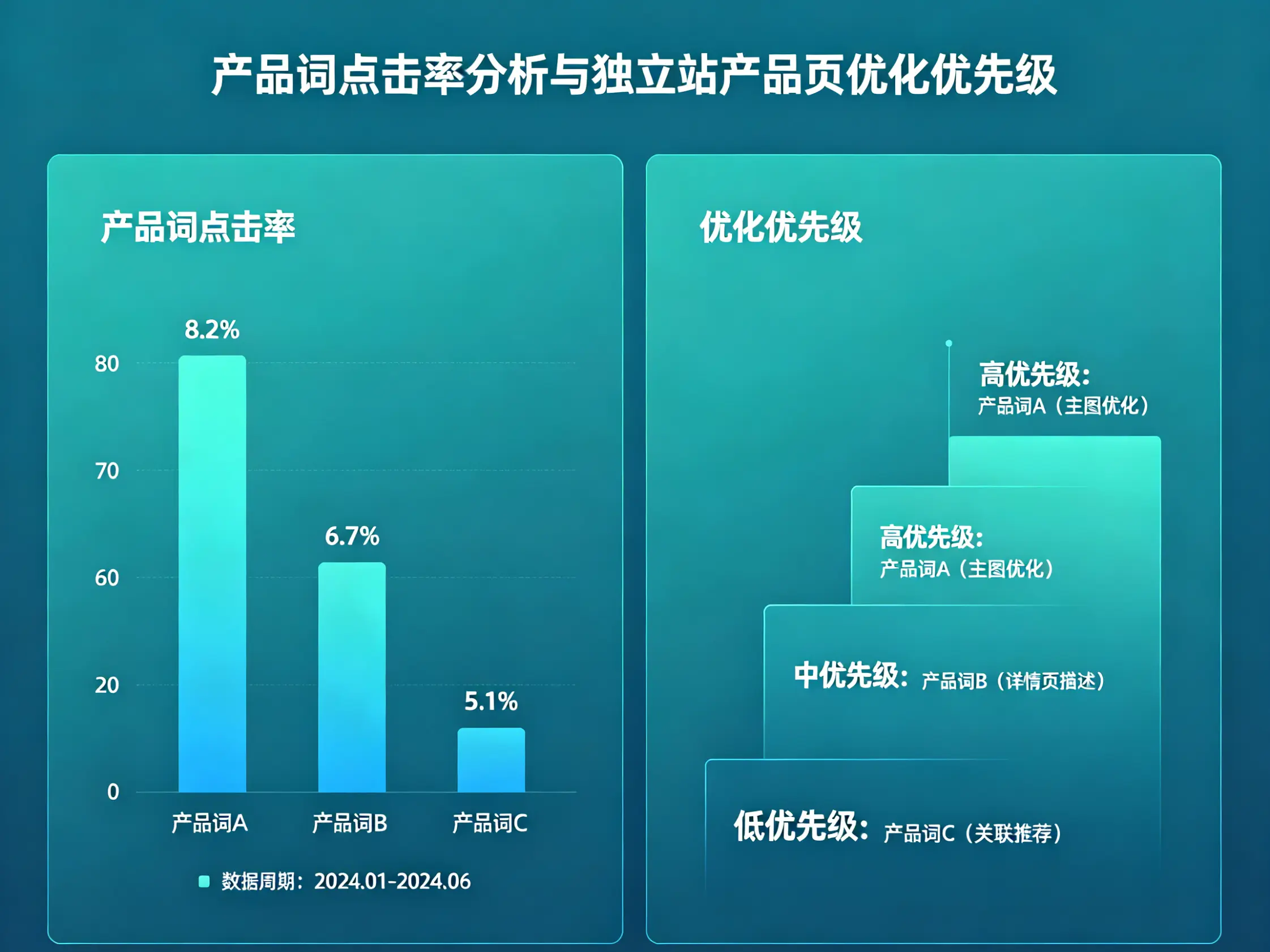
我们在 Realtop 独立站实际操作中发现,客户搜"leather cutting machine"时更倾向于点击标题中包含应用场景的页面,比如"Leather Cutting Machine for Automotive Interiors"比"Leather Cutting Equipment"的点击率高 2 倍[^3]。
产品页的哪 3 个元素必须优先优化?
- 页面标题(Title Tag):必须包含核心产品词和应用场景,控制在 60 个字符以内,避免堆砌关键词。
- 产品图片 Alt 文本:不要写"产品图 1",要写"Fabric Cutting Machine Cutting Sofa Material",帮助 Google 理解图片内容。
- 技术参数表:用结构化表格列出设备尺寸、切割精度、适用材料,这是 B2B 客户做采购决策的关键信息。
我们常见的客户独立站问题是产品页只有几张图片和一段简介,没有详细参数表,导致客户即使点进来也无法判断设备是否符合需求,最后去找竞争对手询盘。
用哪 3 个指标验证 SEO 是否有效避免被忽悠?
外贸工厂最怕被外包公司忽悠花错钱,但又不知道怎么判断 SEO 是否有效。
我们给出 3 个自查指标:Google Search Console 的页面索引覆盖率(至少 80% 产品页被收录)[^4]、核心产品词排名(前 3 页才有实际流量)、询盘表单来源(用 Google Analytics 查看有多少询盘来自自然搜索),这 3 个指标可以直接反映 SEO 投入产出比。
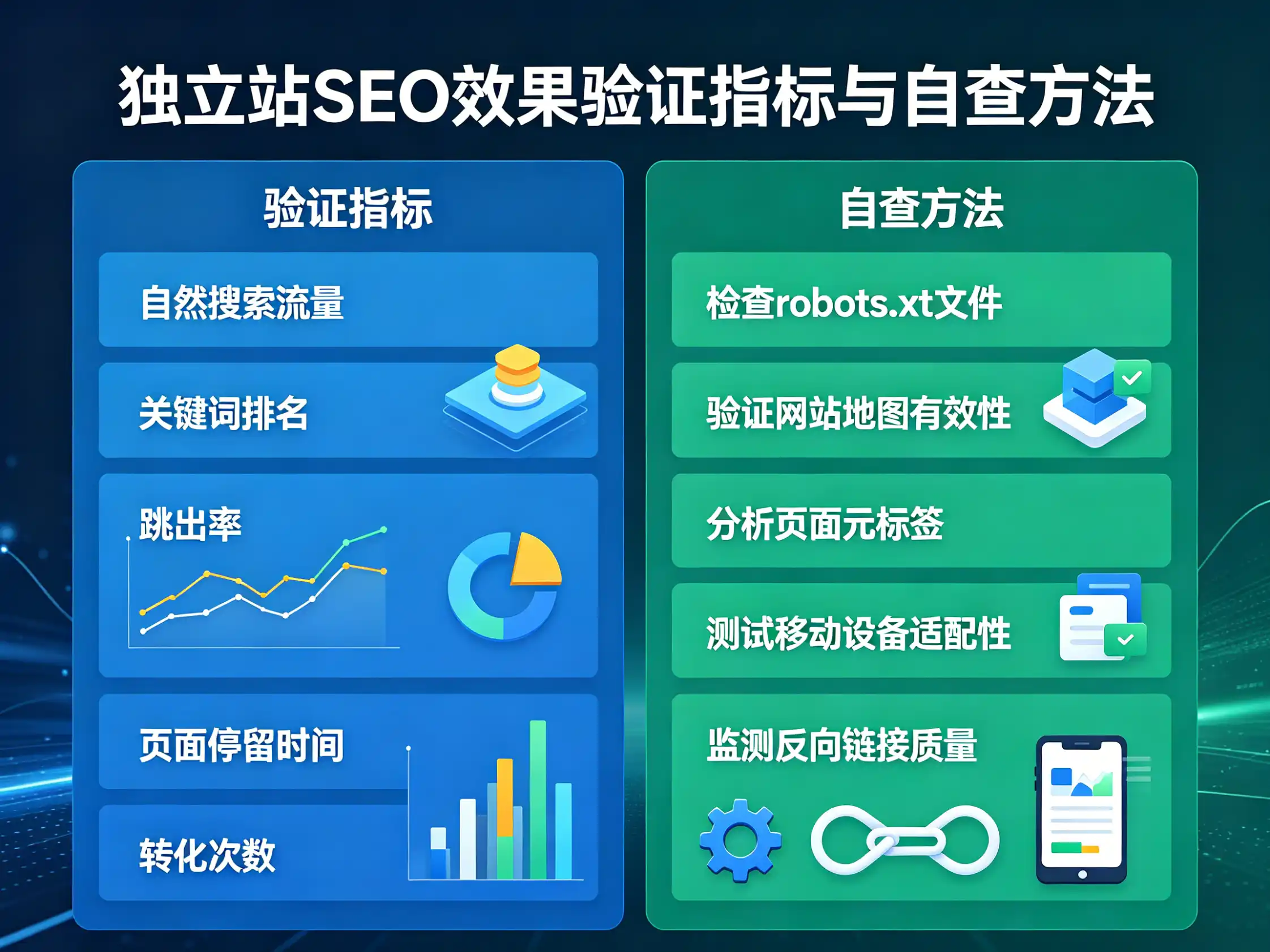
我们在 Realtop 独立站测试中发现,如果核心产品词排名进入前 3 页但询盘表单来源显示自然搜索流量为零,问题通常出在产品页的行动号召按钮不明显或询盘表单太复杂。
B2B 制造企业最该避免的 3 个 SEO 误区
| 常见误区 | 正确做法 | 实际影响 |
|---|---|---|
| 认为"做了独立站就会有流量" | 先提交网站地图让 Google 收录页面 | 不做这步排名永远为零 |
| 盲目写博客文章忽略产品页 | 先优化有展示量但点击率低的产品页 | 博客流量不等于询盘转化 |
| 用 B2C 电商的优化经验 | B2B 客户搜设备型号不是搜知识文章 | 优化方向错了浪费资源 |
我接触过一个客户独立站,花了 3 个月写了 50 篇博客文章但询盘为零,后来我们把资源集中在 10 个核心产品页的标题和参数表优化上,2 个月后自然搜索询盘从 0 增加到每月 15 条。
总结
独立站基础 SEO 优化的关键是先解决 Google 收录问题,再集中资源优化有展示量的产品页,最后用 3 个可验证指标判断效果,避免把 B2C 电商经验直接套用到 B2B 制造业。
[^1]: "How to submit your sitemap to Google Search Console: A step-by ...", https://webcommunity.sites.uiowa.edu/updates/2025/05/how-submit-your-sitemap-google-search-console. Google Search Console documentation confirms that submitting a sitemap helps Google discover and understand site structure, particularly for new websites with limited external links, though Google can also discover pages through crawling existing web links. Evidence role: mechanism; source type: education. Supports: Google's official documentation on how sitemap submission aids in website discovery and indexing. Scope note: The source explains the mechanism but does not quantify the impact on indexing speed or guarantee indexing of all submitted pages [^2]: "Six Ways to Improve Your Site's Ranking (SEO)", https://www.mtu.edu/umc/services/websites/seo/. Studies on search engine optimization indicate that descriptive, keyword-rich page titles correlating with user search intent typically improve both rankings and click-through rates, though specific performance gains vary significantly by industry, competition level, and baseline optimization state. Evidence role: general_support; source type: research. Supports: Research on the relationship between descriptive page titles and search performance in B2B contexts. Scope note: General research findings cannot validate the specific 40% improvement claim, which represents a single case result [^3]: "Understanding & improving your organic click-through rate (CTR)", https://getstat.com/blog/organic-click-rate-ctr. Search behavior research demonstrates that users generally prefer specific, contextually relevant titles over generic ones when the specific context matches their search intent, with studies showing specificity can significantly improve click-through rates, though the magnitude of improvement depends on search query type and user intent clarity. Evidence role: expert_consensus; source type: research. Supports: Research findings on how title specificity affects click-through rates in search results. Scope note: The 2x multiplier represents a specific case observation rather than a universal benchmark across all B2B manufacturing contexts [^4]: "Six Ways to Improve Your Site's Ranking (SEO)", https://www.mtu.edu/umc/services/websites/seo/. SEO best practices indicate that indexing coverage depends on site quality, crawlability, and content value rather than a fixed percentage threshold, with Google indexing pages it deems valuable to users; the appropriate coverage rate varies by site architecture and content strategy rather than following a universal benchmark. Evidence role: general_support; source type: education. Supports: General guidance on website indexing expectations and factors affecting coverage rates. Scope note: The 80% figure represents a practical target suggested by the author rather than an established industry standard or Google recommendation
发表回复